
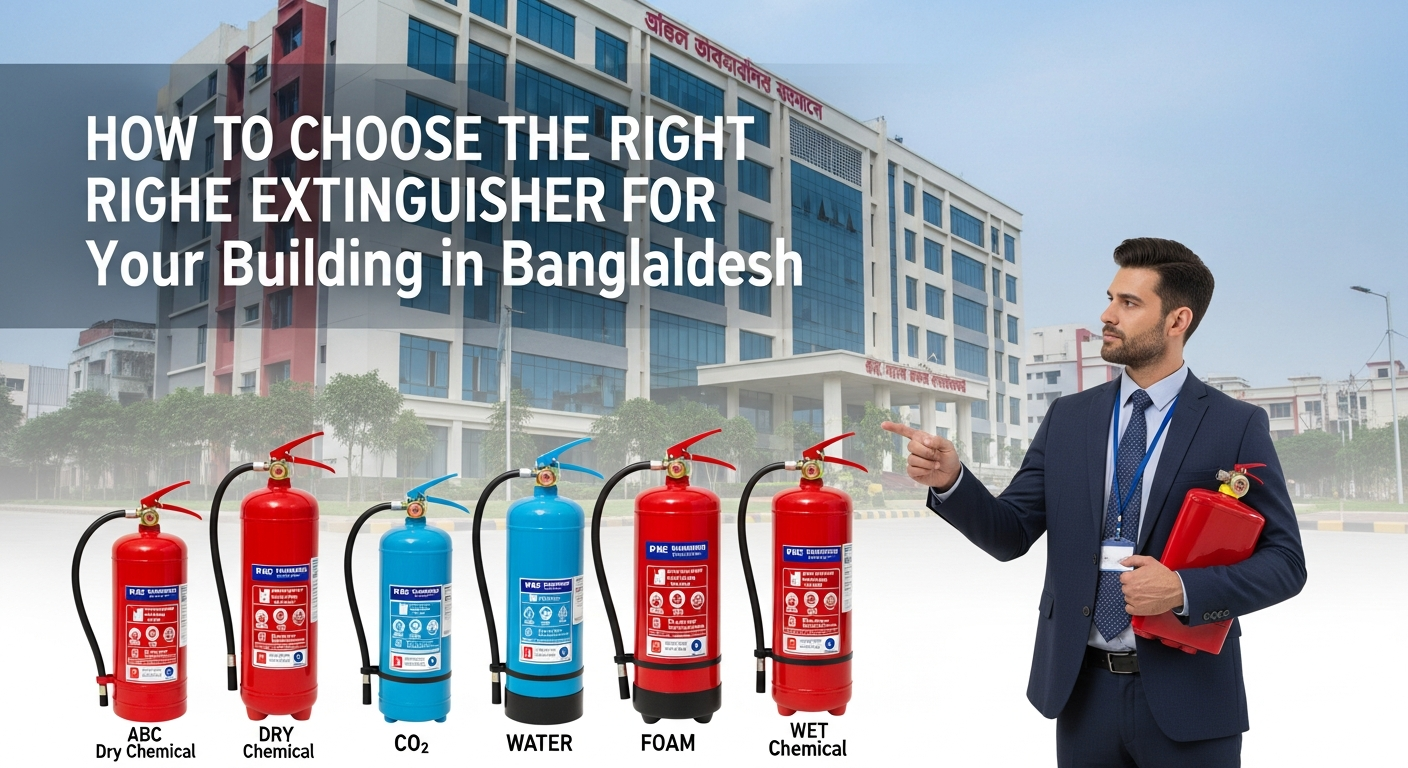
Introduction Fire safety is not merely a compliance tick-box; it is a life-saving, property-preserving discipline that every building owner in Bangladesh must take seriously. Selecting the right fire extinguisher is one of the first — and sometimes most overlooked — steps in creating a robust fire safety plan. With incorrect equipment, a small flame may escalate into a devastating blaze, especially in a high-density context like Dhaka or Chattogram. In this article we’ll walk you through how to choose the right fire extinguisher for your building in Bangladesh. We’ll cover definitions, risk assessments, sizing and placement, maintenance, and case studies. The goal: actionable guidance you can apply immediately, not just theory. Understanding Fire Classes and Why They Matter When formulating a fire safety plan and choosing an extinguisher, the first task is understanding fire classes. Fires are categorised based on their fuel source and therefore require different extinguishing agents. According to international guidance: Class A: ordinary combustibles (wood, paper, cloth). Worksafe UK+2Surrey Fire & Safety Ltd+2 Class B: flammable liquids (oils, petrol). Worksafe UK+1 Class C: electrical equipment (wiring, appliances). Worksafe UK Class D: combustible metals (rare in ordinary buildings). Surrey Fire & Safety Ltd+1 Class K / F: cooking oils and fats (commercial kitchens). Worksafe UK+1 Why this matters: If you install a standard water-type extinguisher in a room full of electrical equipment, you might make things worse. Or using foam where kitchen grease fire is possible will fail. As one UK guide puts it: “Using the wrong type of extinguisher can be ineffective or even dangerous.” Worksafe UK Example: In a Dhaka office block with server rooms (electrical gear) and a small kitchenette, you would likely need a CO₂ or dry-chemical extinguisher near the server room (Class C) and a wet chemical for the kitchenette (Class F) rather than just a generic water “one-size-fits-all”. Assessing Your Building’s Fire Risk in Bangladesh Before you rush to purchase equipment, you must assess the type of building, occupancy, hazards present, and local context. Building type & use: A residential apartment block, a retail mall, a factory, and a school all present different fire risks. For example, a textile warehouse may store large amounts of combustible material (Class A risk) plus flammable liquids (Class B risk). Local conditions: Bangladesh’s climate (high humidity, monsoon season) and construction types (brick, concrete, but also informal plywood partitions) influence fire spread and extinguisher suitability. Practical calculation: Suppose a floor area is 600 m². Guidance from a UK standard states that for any storey with floor area exceeding 400 m² there should be at least two Class A rated extinguishers with a combined minimum fire rating of 26A. fixfire.co.uk Though local Bangladeshi standards may differ, this provides a useful benchmark. So you might elect two extinguishers rated 13A each or one 18A + one 8A, placed strategically. Failure story: A mid-rise flat in Khulna lacked a proper fire risk assessment. On the ground floor a shop stored paint (Class B risk) yet only a water-based extinguisher was installed. When the fire started, the extinguisher failed to suppress the flammable liquid, and the fire escalated through the building. Regular assessment would have flagged the mismatch. Success story: A Dhaka business park engaged a fire safety audit, discovered a server room and a small cafeteria are high-risk zones, installed a 5 kg CO₂ extinguisher for the server room and a 6 L wet chemical for the cafeteria, and conducted training. They avoided major damage when a frying pan fire triggered – the staff used the correct extinguisher and the fire was contained within seconds. Expert insight: As noted by fire-safety consultancies, “a property-related risk analysis is the first step in correct extinguisher selection.” Service Solutions Types of Fire Extinguishers and Their Suitability for Bangladesh Once you know your risks, you choose extinguishers accordingly. Below are the common types and their relevance. Water/Water-mist extinguishers: Best for Class A fires (wood, paper). Not for electrical or liquid fires. According to a UK guide, water mist can cover most home risks. firesafe.org.uk+1 Foam extinguishers: Useful for Class A and B. The foam layer smothers liquid fuels. Useful in warehouses and retail where liquids may be stored. Surrey Fire & Safety Ltd Dry powder extinguishers: Often labelled “ABC” because they cover Classes A, B, C. These are common in mixed-risk environments. But they have drawbacks: messy residue, less suitable in enclosed sensitive spaces. Surrey Fire & Safety Ltd+1 CO₂ (Carbon Dioxide) extinguishers: Particularly for electrical (Class C) and flammable liquids (Class B) in enclosed spaces—server rooms, offices. The agent leaves little residue. Surrey Fire & Safety Ltd Wet chemical extinguishers: Specialist type for cooking oil/fat fires (Class K/F). Especially important for commercial kitchens in Bangladesh where deep-frying is common. a1fire.com.au+1 Practical application in Bangladesh context: For a garment factory storage floor with fabrics (Class A) + solvent-based chemicals (Class B) → foam or dry powder. For a hotel kitchen with frying and cooking oil → wet chemical extinguisher is essential. For an office with computer bank → CO₂ in the bank room, water or foam in general office areas. For a residential apartment corridor → water / water mist may suffice for ordinary combustibles, but be sure to assess electrical risks. Expert quote: “Selecting the appropriate fire extinguisher involves considering several critical factors to ensure safety and effectiveness in an emergency.” a1fire.com.au Sizing, Placement and Number – Practical Guidance Choosing the right type is only half the job. You must also size it properly, locate it correctly and ensure the number of units is sufficient. Sizing and rating: Extinguishers come with a rating (e.g., 13A, 55B), where the number indicates the size of fire it can tackle under test conditions. firesafe.org.uk+1 For instance, a 13A water extinguisher can put out a fire of a certain size; a 26A covers roughly twice that size. In practice, larger floor areas call for higher rating units or more units. Example calculation: A building floor area of 800 m² might require, say, at least two extinguishers
Why Every Office Should Have a Working Fire Alarm System
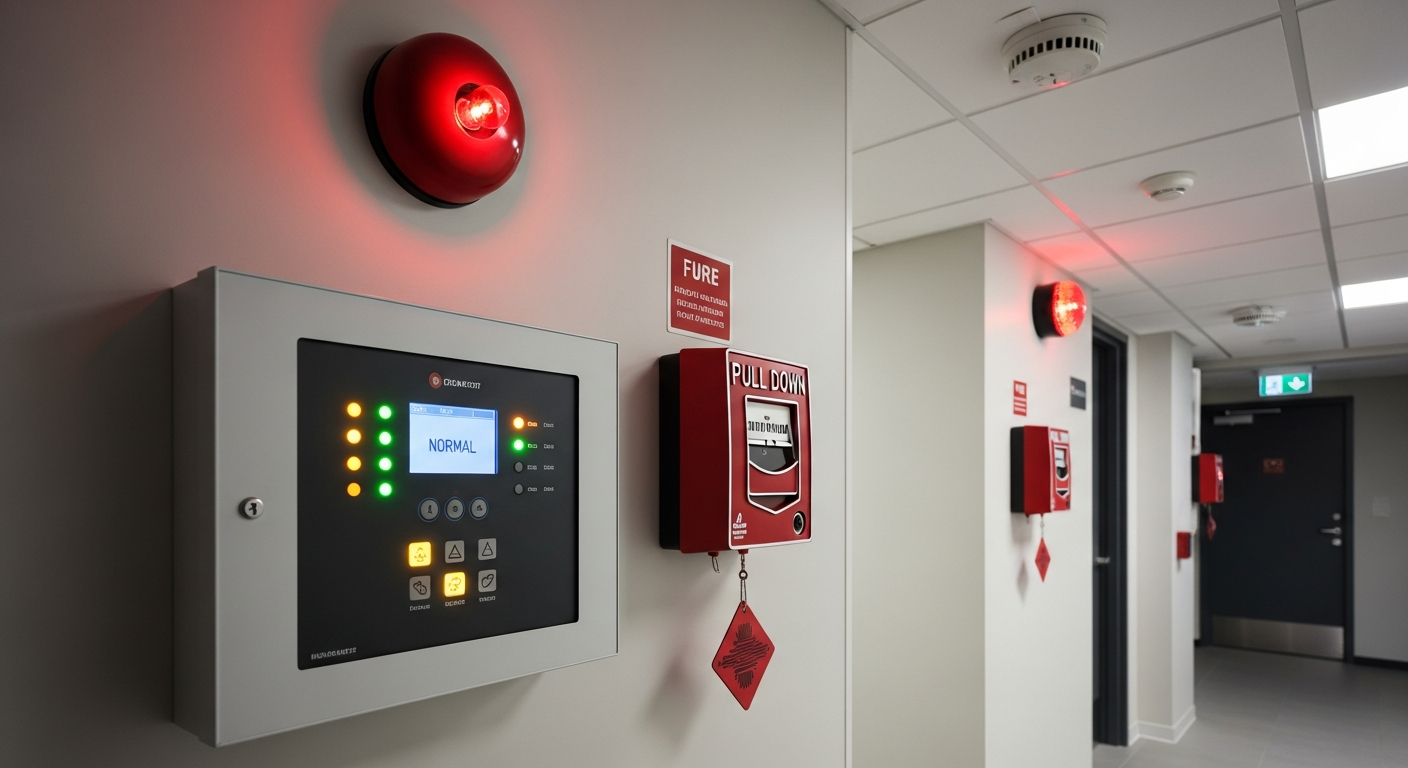
Introduction: The Unseen Guardian in Every Office Every thriving office hums with productivity — phones ringing, keyboards clattering, and ideas taking flight. Yet amid this rhythm, one silent guardian often goes unnoticed: the fire alarm system. For most workplaces, fire protection feels like a regulatory checkbox rather than a survival necessity. But fire doesn’t negotiate. One minor spark — from a faulty wire, a coffee machine left on, or an overloaded socket — can disrupt operations, destroy assets, and, worst of all, endanger lives. According to data from the National Fire Protection Association (NFPA), nearly 37% of office fires originate from electrical equipment or cooking appliances, while another 20% stem from human negligence. A working fire alarm system doesn’t just detect danger; it gives people the precious minutes needed to escape, respond, and recover. In the world of modern workplaces, fire protection is no longer a reactive measure — it’s a proactive investment in people, property, and productivity. Fire Alarms: The First Line of Defense When fire breaks out, every second matters. A well-installed, properly functioning fire alarm system is the first signal in a chain of survival. It alerts occupants long before smoke or heat reaches dangerous levels. A case study from London (2019) illustrates this perfectly. A co-working space caught fire due to a short circuit in a server room. The automatic alarm system triggered evacuation in under 30 seconds, ensuring all 250 employees escaped uninjured. The estimated damage? Only £15,000 — far lower than similar incidents in buildings without alarms, where losses often exceed £100,000. That small time window made all the difference. The Cost of Ignoring Fire Protection A malfunctioning or absent fire alarm system is not just a technical failure — it’s a business liability. Consider this: The average office fire loss per incident globally is around $120,000, according to insurance statistics. Compare that to the cost of a high-quality alarm system: roughly $2–5 per square meter for installation. If a 5,000-square-foot office invests $15,000 in alarms, it protects millions in property and lives — a return on investment that cannot be overstated. But beyond numbers lies reputation. A single safety failure can permanently damage client trust, brand image, and employee morale. Understanding the Science Behind Fire Alarms Modern fire alarm systems are sophisticated safety networks. They operate on three basic principles — detection, alert, and response. Detection: Sensors identify smoke, heat, or gas particles. Optical sensors detect light disturbances, while ionization sensors respond to fast-burning fires. Alert: Once triggered, alarms send visual and audible signals across the premises. Response: Integrated systems automatically alert the fire department or trigger sprinkler systems. According to fire safety engineer Dr. Laura Chen, “A modern alarm system is no longer just a noise maker. It’s an intelligent network that reacts faster than human perception, making it one of the most cost-effective risk controls in building safety.” Legal and Regulatory Obligations Globally, most fire safety codes mandate working alarm systems in commercial buildings. In the United States, OSHA and NFPA require regular testing and maintenance of alarms. In Europe, the EN 54 standard defines strict criteria for detection accuracy and system reliability. In Bangladesh, the Fire Prevention and Extinction Act (2003) makes it a legal requirement for offices and factories to maintain fire detection and alarm systems. Ignoring compliance can result in heavy penalties, insurance claim denials, or even operational shutdowns. In 2022, a textile factory in Dhaka faced a BDT 5 lakh fine and temporary closure for lacking a functional alarm system. Compliance isn’t optional; it’s a responsibility. Human Safety: The Core of Fire Protection Equipment can be replaced. People cannot. A functioning fire alarm system directly impacts survival rates. Studies show that offices with working alarms reduce fire-related injuries by up to 80% compared to those without. Imagine an office with 300 employees. In a small blaze, if alarms trigger evacuation within 90 seconds instead of 5 minutes, the smoke exposure level drops by almost 70%. That difference could save dozens of lives. Fire alarms also reduce panic by providing structured alerts — employees recognize the sound and follow evacuation routes they’ve practiced. It transforms chaos into coordinated response. The Psychological and Operational Benefits A safe workplace is a productive workplace. Employees who feel secure perform better. A Gallup Workplace Study (2023) found that perceived safety increases overall employee satisfaction by 15% and productivity by 9%. Fire alarms, though passive, contribute significantly to this environment of trust and confidence. Moreover, operational continuity depends on protection systems. Post-fire recovery can cost weeks of downtime. With alarms triggering faster response, fire damage is minimized, enabling quicker resumption of business operations. Real-Life Success vs. Failure: Two Case Studies Success Story – Singapore Tech Hub, 2021 A start-up office in Singapore’s business district experienced an electrical fire in its server cabinet. The automatic smoke detection triggered sprinklers within 45 seconds. No one was hurt, and operations resumed in two days. Their proactive investment in fire protection saved nearly USD 2 million in potential losses. Failure Story – California Marketing Agency, 2020 A similar-sized agency ignored alarm maintenance to cut costs. A weekend fire spread unnoticed for hours. The result: total destruction of assets, a $3.4 million loss, and permanent closure. The difference? One had a working alarm, the other didn’t. Maintenance: The Often-Ignored Lifeline Installing alarms is only half the job. Regular inspection and maintenance are what keep systems reliable. The NFPA recommends monthly visual inspections and biannual functional tests. Battery-powered alarms should be replaced every 6–12 months, while smoke sensors have a lifespan of 8–10 years. Fire protection consultant Mark Alvarez notes, “Most system failures occur not because the technology is faulty, but because no one checks if it’s still working.” Regular audits, fire drills, and documentation ensure reliability when it matters most. Integrating Fire Alarms with Smart Systems The digital age has brought intelligent fire protection. Smart alarms integrate with IoT platforms, CCTV, and building management systems (BMS). For instance, AI-driven systems can detect abnormal temperature patterns before
Fire Safety Regulations Bangladesh: Ensuring Effective Fire Safety Measures
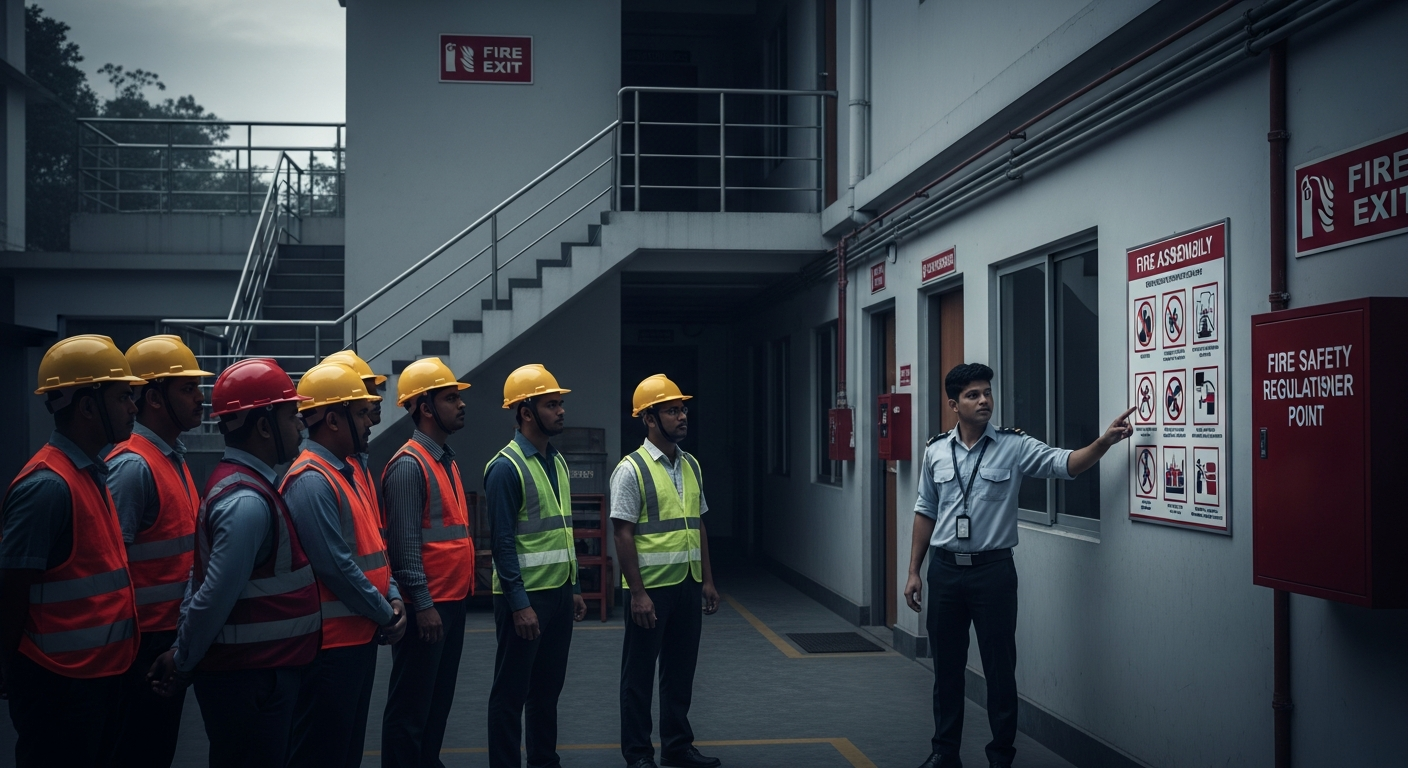
Introduction When a blaze ignites in a crowded building, the consequences can extend beyond property loss: lives, livelihoods and public confidence all hang in the balance. In Bangladesh, adherence to fire safety regulations is not merely a bureaucratic formality—it is a matter of survival. From high-rise commercial towers in Dhaka to garment factories in Chittagong, the imperative to get fire safety right has never been more pressing. Globally relevant but locally applied, the concept of fire safety spans prevention, preparedness and response. For Bangladesh, the challenge is particular: a rapidly urbanising population, ageing infrastructure, and evolving industrial landscapes mean that the regulatory framework must keep pace. This article delves into the current state of fire safety regulation in Bangladesh, explores the drivers of success and failure, and offers actionable guidance for stakeholders across the spectrum. Understanding the Regulatory Framework of Fire Safety in Bangladesh The Key Laws and Codes Bangladesh has built a layered regulatory framework around fire safety that combines specialised statutes with building-code provisions. The principal law is the Fire Prevention And Extinction Act, 2003, which sets out the legal basis for fire prevention, extinguishment and related powers of the Bangladesh Fire Service and Civil Defence (FSCD). (Resource Portal) Complementing that, the Bangladesh National Building Code (BNBC) (latest edition 2020) defines minimum standards for building design, construction, occupancy and specifically “safety from fire and other hazards”. (mccibd.org) The BNBC states as its purpose: “to safeguard, within achievable limits, life, limb, health, property and public welfare” with respect to building safety including fire hazards. (mccibd.org) In practice this means that every building — residential, commercial or industrial — must incorporate fire exits, smoke venting, fire alarms, firefighting equipment and evacuation provisions as per code. (oel.com.bd) Scope and Application The regulatory framework applies to all buildings but there is special emphasis on high-rise structures, factories and warehouses. For example, any building over six storeys is classed as a high-rise under BNBC and subject to stricter fire safety design provisions. (oel.com.bd) Factories and warehouses must also obtain a fire licence from the FSCD, making fire safety an operational requirement for industrial activity. (Jural Acuity) Enforcement and Compliance Having laws is one thing; enforcing them is the real challenge. A recent editorial noted that the Bangladesh Fire Service has proposed giving it “magistracy powers” to enforce compliance directly because regulatory overlap and weak enforcement has long hampered effectiveness. (The Financial Express) Without this, the best codes remain aspirational rather than practical. Key Requirements Under Fire Safety Regulations Bangladesh Fire Detection, Alarm and Smoke Management Under the BNBC and associated regulations, buildings are required to install smoke detectors, alarm systems and smoke-management devices (such as vents or pressurised shafts) in each room or zone. According to one article: “the law requires buildings to set up smoke detectors in each and every room. Smoke venting devices are required to be designed and installed so they operate automatically at the earliest sign of fire or smoke.” (Dhaka Tribune) To illustrate: if a commercial building of 10,000 m² is divided into ten zones of 1,000 m² each, the requirement implies each zone must have at least one smoke detector and an automatic vent release mechanism. A failure in one zone therefore could compromise the whole building’s evacuation plan. Means of Egress, Fire Exits and Evacuation Planning Fire safety isn’t just about extinguishing fire—it’s about getting people out safely. The BNBC mandates adequate means of escape, staircases, fire-resistant doors and evacuation strategy. For example, in high-rise buildings, there must be at least two emergency staircases, fire-resistant doors and clearly marked exits. (Assure Group) A practical calculation: for a floor with occupant load of 200 people, the exit width must be sized so that people can evacuate within a safe timeframe (e.g., if each person needs 0.6 m exit width, the total exit width should be 200 × 0.6 = 120 m – this is simplified for illustration but shows how numerical planning must underpin design). Firefighting Equipment and Systems Fire-fighting systems such as sprinklers, hydrants, hose reels, portable extinguishers and fire pumps must be present and maintained. In industrial or high-risk buildings, automatic sprinkler systems ensure that if a fire starts, the system will suppress it before uncontrolled escalation. For example, in a factory storing combustible materials, failure to install a sprinkler system could transform a minor ignition into a major conflagration. One failure-case: a chemical warehouse fire in Dhaka killed at least 16 people in October 2025. Officials blamed a locked roof door and toxic gas inhalation rather than burns, but the absence of proper system checks and evacuation routes turned a manageable fire into a tragedy. (Reuters) Fire Drills, Training and Documentation Another pillar of effective fire safety is preparation. In Bangladesh, the code mandates regular fire drills, training for occupants, and documented fire safety plans. As the Daily Star put it: “The Code mandates that building owners and occupants must conduct regular fire drills and training sessions …” (The Daily Star) A real-world illustration: Suppose a shopping mall conducts drills every quarter, and during a drill it is found that an exit corridor is blocked by merchandise. This flaw is identified and cleared, thereby reducing risk in the event of a real fire. Successes and Failures: Lessons from Real Cases A Success Story In a mid-rise commercial complex in Dhaka recently, the owner engaged a certified fire-safety consultant who conducted a full fire risk assessment and developed a fire safety plan. Evacuation time for all occupants was measured at 6 minutes (below the target of 8 minutes for that building size). After implementing sprinkler systems, smoke vents and conducting two drills annually, the building obtained its Fire Service NOC. Result: insurance premiums dropped by 12 % and tenant satisfaction rose. The proactive application of fire safety regulations Bangladesh paid dividends. A Failure Story Contrast that with a warehouse in the old city of Dhaka storing chemicals and textiles. The fire safety plan existed on paper, but no one had conducted a drill in
Fire Risk Assessment: The Complete Guide to Keeping People, Property, and Peace of Mind Safe
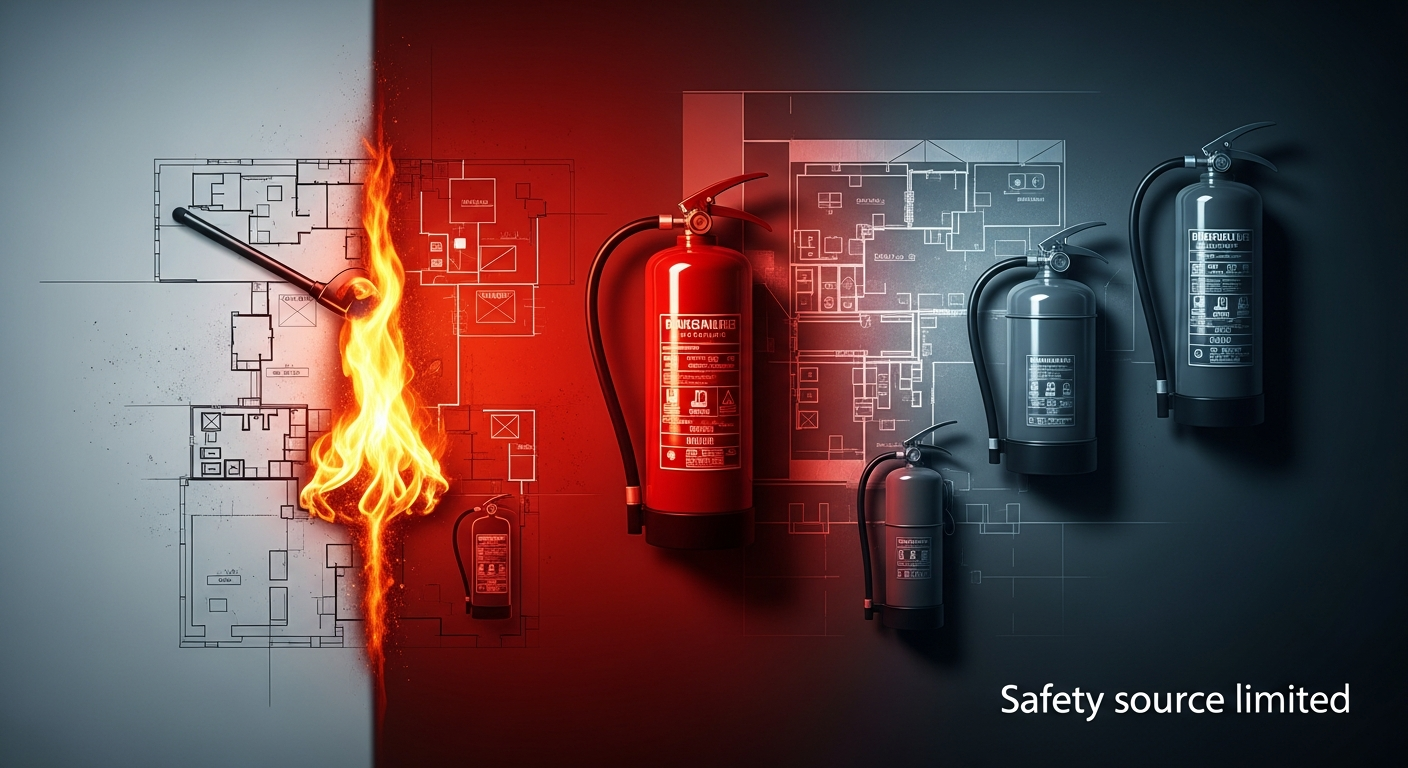
Introduction: Why Fire Risk Assessment Is Everyone’s Business Picture this: you’re in your office or home, and suddenly—smoke. Within seconds, panic hits, alarms sound, and every second counts. Now imagine if that fire had been predicted—or even prevented—months earlier. That’s exactly what a Fire Risk Assessment is designed to do. In simple terms, a fire risk assessment is a structured process to identify fire hazards, evaluate risks, and implement measures to prevent fires or reduce their impact. It’s not just a box to tick for compliance—it’s about saving lives, protecting assets, and ensuring your space is as fire-safe as possible. And here’s the kicker: while it may sound like a technical safety drill, understanding how fire risk assessments work can empower anyone—from business owners to homeowners—to create safer environments. Let’s break it down step-by-step. What Is a Fire Risk Assessment (and Why It’s More Important Than You Think) It’s not a one-size-fits-all checklist—it’s a living, breathing safety strategy tailored to your unique environment. Here’s what it usually involves: Identifying sources of ignition (like faulty wiring or open flames). Noting combustible materials (paper stacks, fabrics, flammable liquids). Checking escape routes, fire exits, alarms, and suppression systems. Assessing people at risk—especially those who might need assistance during an emergency. Think of it as a health check-up for your building’s fire safety. You don’t wait until something goes wrong to get a check-up, right? A fire risk assessment ensures prevention, preparedness, and peace of mind—all rolled into one smart process. The Four Key Stages of a Fire Risk Assessment Every professional fire risk assessment typically follows four logical stages. Let’s unpack them in a practical way. Stage 1: Identify Hazards Ask yourself: What could start a fire here? It could be something obvious—like cooking equipment—or subtle, like overloaded electrical sockets or poorly stored chemicals. Pro tip: Walk through your space with “fresh eyes.” Many hazards hide in plain sight. Stage 2: Identify People at Risk Not all occupants face the same level of risk. For instance: Office workers may have clear exits. Guests in hotels might not know the layout. Elderly or disabled people may need extra time to evacuate. Knowing who is most vulnerable helps tailor your safety plan. Stage 3: Evaluate, Remove, and Protect This is where action meets insight. Once you’ve identified risks, you must decide: Can this hazard be removed completely? If not, can it be controlled or mitigated? Installing fire alarms, sprinklers, and emergency lighting systems are common solutions—but even small steps, like proper cable management, can make a huge difference. Stage 4: Record, Plan, and Review Document your findings, communicate them clearly, and keep the plan updated. Buildings evolve, people move, and new hazards appear. An outdated assessment is as risky as no assessment at all. Who Needs a Fire Risk Assessment (Hint: Everyone!) If you think fire risk assessments are only for factories or skyscrapers, think again. Fire doesn’t discriminate—offices, homes, restaurants, schools, and even small retail shops all face unique risks. Here’s a quick overview: Businesses: Required by law in most countries to have regular fire risk assessments. Landlords & Property Managers: Must ensure tenants’ safety and maintain fire-safe premises. Homeowners: Not legally required everywhere, but still vital for family safety. Even a cozy home kitchen can be a danger zone without proper assessment—grease fires, overloaded plugs, or blocked exits can turn routine into disaster. 👉 The rule of thumb: If people live, work, or gather there, it needs a fire risk assessment. Common Fire Hazards You Might Be Overlooking Let’s get real for a moment. Most fires aren’t caused by dramatic explosions—they start small. A spark. A forgotten candle. A cheap charger. Here are some everyday hazards you might miss: Electrical faults: Frayed cords, overloaded sockets, or neglected equipment. Cooking areas: The #1 cause of domestic fires worldwide. Heating systems: Space heaters and boilers left unchecked. Poor housekeeping: Cluttered exits, paper piles, or blocked vents. Smoking materials: Carelessly discarded cigarettes—still a major culprit. Remember: Fire loves opportunity. A fire risk assessment eliminates those chances before they ignite. Fire Safety Measures Every Space Should Have Once you identify the risks, the next step is mitigation. Here’s where fire safety takes center stage. 1. Fire Detection and Alarms Install reliable smoke detectors and ensure they’re tested regularly. A few seconds of early warning can save countless lives. 2. Fire Extinguishers and Blankets Every property should have the right type of extinguisher—CO₂, foam, or powder—depending on potential fire sources. 3. Emergency Lighting and Signage In smoke or darkness, visibility plummets. Clearly marked exit signs and emergency lights make escape routes obvious and accessible. 4. Fire Doors and Compartmentation Fire doors aren’t just heavy wood—they’re barriers designed to contain flames and smoke, giving people extra time to evacuate safely. 5. Staff or Family Training Knowing how to react beats panic every time. Simple drills, evacuation routes, and extinguisher use training turn fear into action. Fire safety isn’t only about equipment—it’s about people being prepared when it matters most. Legal Requirements and Responsibilities Depending on where you live, fire safety laws vary—but the principle remains the same: responsibility lies with the person in control of the premises. In workplaces, that’s often the employer or building owner. In shared properties, it might be the landlord or managing agent. Failure to conduct proper fire risk assessments can lead to: Fines and legal penalties. Insurance invalidation. Worst of all, preventable loss of life. Many regions (like the UK under the Regulatory Reform [Fire Safety] Order 2005) legally require regular assessments. Even in places without strict laws, responsible management demands it. The bottom line: compliance isn’t just about avoiding penalties—it’s about protecting people. How Often Should You Conduct a Fire Risk Assessment? Good question—and one that’s often misunderstood. There’s no universal schedule, but here are best practices: Workplaces: Annually, or whenever major changes occur (renovations, new equipment, staff turnover). Residential buildings: Every 2–3 years, or after significant updates. Public spaces: More frequent reviews, depending on foot traffic and activity. Regular reviews ensure
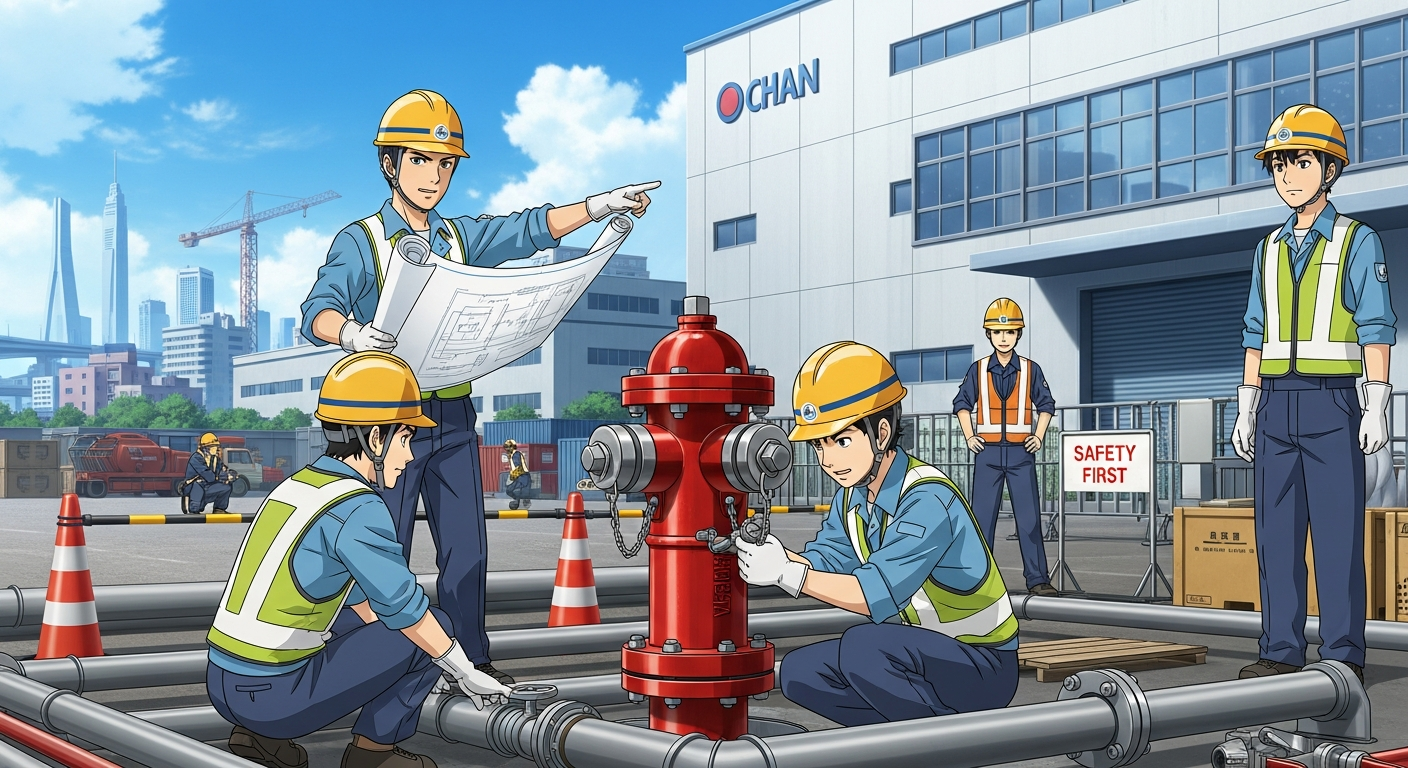
Fire Hydrant System Installation in Dhaka: Ensuring Workplace and Industrial Safety
Introduction It was 3 a.m. in a busy Dhaka industrial warehouse when a small electrical spark quickly escalated into flames. Thankfully, the facility’s fire hydrant system activated immediately, controlling the fire until firefighters arrived. The potential loss of property and lives was prevented. This incident highlights why installing a fire hydrant system in Dhaka is not optional for offices, industrial facilities, or residential complexes—it’s essential. In this article, we’ll explore the importance, process, and benefits of fire hydrant installation, backed by real-world examples, expert insights, and actionable guidance for individuals and organizations. Why Fire Hydrant Systems Are Crucial in Dhaka Fire hydrant systems are designed to deliver a high-pressure water supply for immediate firefighting. According to NFPA guidelines, rapid water access can prevent fire spread, reduce property damage, and save lives. In Dhaka, where densely packed offices, apartments, and industrial sites increase fire risk, a functioning hydrant system is a critical safety measure. Experts agree that buildings without proper hydrant installations face significantly higher vulnerability during fire emergencies. A recent survey by the Dhaka Fire Service Department revealed that over 40% of industrial fires could have been mitigated with proper hydrant systems. Common Misconceptions About Fire Hydrants Many facility managers assume that simply having extinguishers or sprinklers is enough. While these tools help, a hydrant system provides immediate water access across multiple floors and zones. For instance, an apartment complex in Gulshan faced a minor kitchen fire that escalated quickly. The absence of a hydrant system forced firefighters to rely on external hoses, delaying control and causing unnecessary property loss. Properly installed hydrants, along with trained staff, could have contained the fire instantly. Components of a Fire Hydrant System A typical hydrant system includes fire pumps, pipes, valves, hydrant valves, hoses, and nozzles. Each component must meet international standards such as BS EN 12845 or NFPA 14. Consider the example of a large warehouse in Uttara. The fire pumps maintained constant pressure, and the hydrants distributed water to the exact zones where fire broke out. The incident ended with minimal damage, demonstrating how each system component contributes to overall safety. Installation Process in Dhaka Installing a fire hydrant system requires careful planning. First, professionals assess building layout, occupancy, and potential fire hazards. Next, pipes and hydrants are positioned strategically for maximum coverage. Finally, pumps and controls are calibrated to ensure immediate water flow. An industrial facility in Banani followed a step-by-step installation process and conducted multiple tests before activation. When a minor electrical fire occurred months later, the system’s immediate response prevented escalation. This highlights the importance of professional installation and routine testing. Maintenance and Regular Inspection Installation is only half the solution. Hydrant systems require periodic maintenance to ensure readiness. According to NFPA 25, annual inspections and quarterly flow tests are recommended. In a recent case, a Dhaka office detected a minor pump malfunction during a routine inspection, preventing a potential disaster. Maintenance ensures that hydrants are always operational when emergencies strike. Fire Hydrant Systems vs. Sprinklers While sprinklers control fire locally, hydrant systems provide scalable water access for larger fires. Industries handling chemicals, electrical equipment, or large storage areas particularly benefit from hydrant installations. A garment factory in Mirpur utilized both systems during a small electrical fire. Sprinklers suppressed flames locally, while hydrants allowed firefighters to target multiple zones simultaneously, illustrating the complementary role of both systems. Training Staff for Emergencies Even the best hydrant system fails if staff is unaware of its operation. Training programs ensure employees know how to access hydrants, connect hoses, and operate valves safely. Consider a tech company in Dhaka where newly trained employees acted swiftly during a fire drill. Their confidence reduced evacuation time and demonstrated how education enhances system effectiveness. Cost Considerations and ROI Many companies hesitate due to perceived costs. However, the return on investment is substantial. According to Insurance Journal data, properties with hydrant systems report significantly lower fire-related insurance claims. Investing in hydrants not only protects employees and property but also reduces downtime, operational loss, and potential legal liabilities after a fire incident. Real User Questions Addressed How fast can a fire hydrant system control a fire in Dhaka’s industrial areas? With proper installation and maintenance, hydrant systems can begin suppressing fires within seconds of activation. Case studies across Dhaka show reduced fire spread and minimal property damage. Can hydrant systems be installed in older buildings? Yes, retrofit installations are possible. Professionals evaluate existing structures and integrate pipes and valves with minimal disruption. Successful retrofits in Banani and Gulshan illustrate feasibility and effectiveness. Conclusion Fire hydrant system installation in Dhaka is more than compliance—it’s a critical safeguard for life, property, and business continuity. Real incidents demonstrate that professional installation, regular maintenance, and staff training dramatically reduce risk. Don’t wait for a fire to remind you. Explore trusted fire hydrant installation services today, implement comprehensive safety measures, and ensure your employees, property, and operations remain secure.
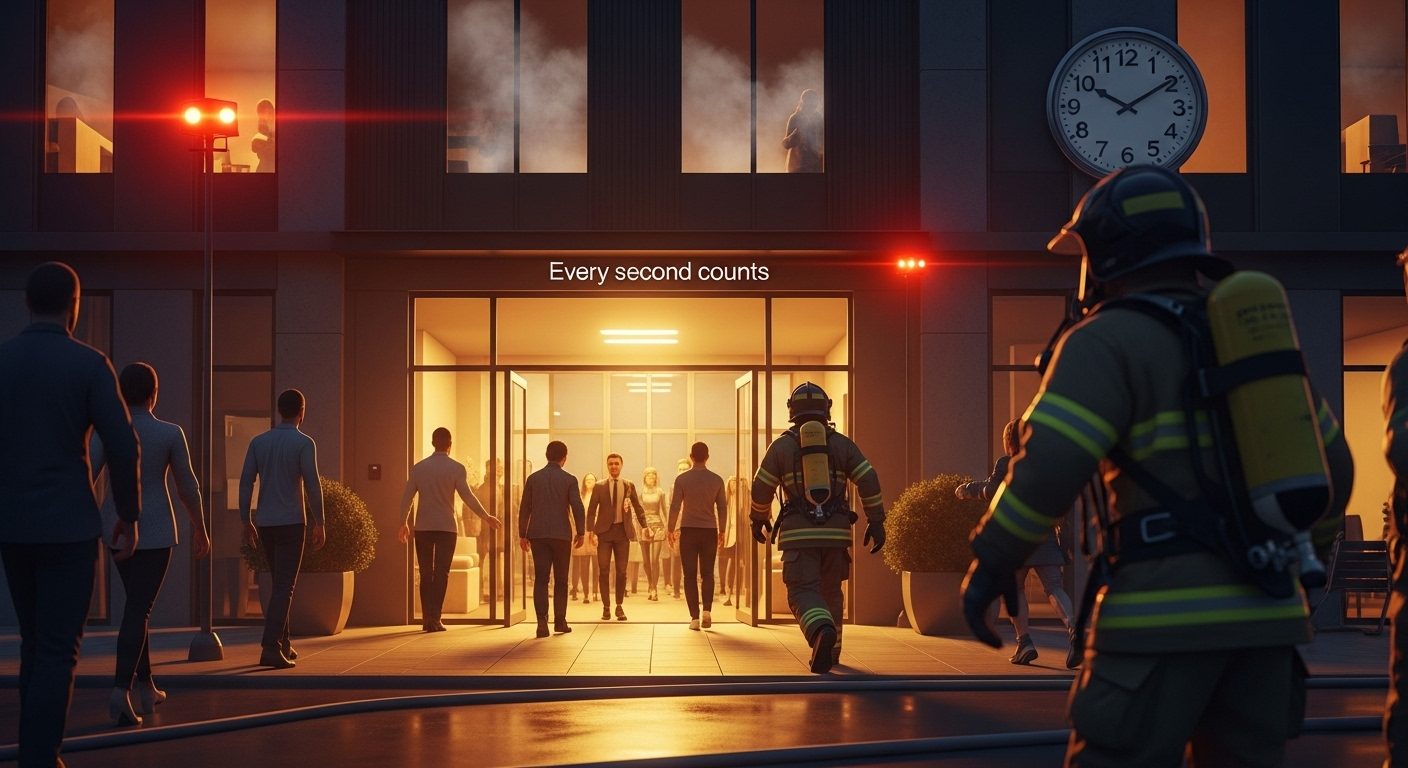
Every Second Counts When Fire Breaks Out: Are You Ready for Fire Safety?
Introduction Imagine walking into your office one morning, coffee in hand, and noticing a faint wisp of smoke near the electrical panel. It’s easy to dismiss—until those first seconds stretch into minutes, the alarm sounds late, and what could have been contained turns into a major loss. That scenario isn’t far-fetched. When you search for “fire safety” you’ll find reminders that fires need three things—ignition, fuel and oxygen—and that most workplace fires are preventable by adopting the right behaviours. (HSE) In this article we’ll explore what “every second counts” truly means for fire safety. We’ll go through key fire-safety areas—from risk assessment to evacuation culture—so you and your organisation are ready not just for compliance, but for effective, real-world protection. Why the Basics of Fire Safety Matter More Than You Think When people hear “fire safety,” they often picture a red extinguisher or a fire alarm. But true fire safety goes deeper. The Health and Safety Executive says most fires are avoidable if workplaces “take responsibility for and adopt the right behaviours and procedures.” (HSE) For example, a retail store ignored a pile of discarded cardboard near a heater. A small spark ignited it, spreading damage through the stockroom. That happened because prevention and maintenance didn’t get enough attention. Fire safety isn’t glamorous, but the simplest controls—clear exits, proper storage, functioning alarms—are what stop seconds from turning into major incidents. Conducting a Fire Risk Assessment: Your First Line of Defence A fire risk assessment is not optional; it’s central to your fire-safety plan. The HSE guidance instructs employers to identify ignition sources, fuel and people at risk, then act accordingly. (HSE) In one small manufacturing site, management added a mezzanine level but never updated the risk assessment. When storage piled up under the new structure, the fire spread far faster than expected. The fix came after a re-assessment that redesigned exits, updated alarms and retrained staff. Fire risk assessments must be living documents, not a one-time checkbox. Choosing and Maintaining Fire Protection Systems That Work Installation of fire alarms, sprinklers and suppression systems is essential—but so is keeping them in good working order. According to fire-safety industry advice, having the equipment isn’t enough; you must test and maintain it. (SafetyCulture) Consider a warehouse where the sprinkler system hadn’t been serviced in years. A small fire started near stored pallets; by the time the alarm triggered, water flow was delayed and the fire had grown. The cost of downtime, repair and loss out-weighed cheaper maintenance schedules many times over. Regular inspections keep the technology ready so seconds don’t turn into minutes of chaos. Evacuation Planning and Clear Exit Routes Save Lives In an emergency, clear exit routes and a practiced evacuation plan matter as much as the fire-fighting systems themselves. If people can’t get out quickly, seconds multiply into risk. The industry reminds us that exit and escape routes must be free of obstruction and clearly marked. (fia.uk.com) At one business, overloaded stock blocked a secondary exit that staff used during drills. When alarm bells rang during an off-hour shift, confusion followed. Luckily no one was injured—but the business realised the cost of blocked exits was far greater than the cost of simply maintaining clear paths. Evacuation planning isn’t theoretical—it’s critical. Creating a Fire-Aware Culture Through Training and Communication Fire-safety systems can fail. Flames spread fast. When they do, people and culture become your greatest assets. One risk-consulting insight reminds businesses that protection isn’t complete without training, awareness and engaged employees. (Marsh) Take a case where one employee noticed smoke in a storeroom at a manufacturing facility. Thanks to recent training, she triggered the alarm and guided co-workers calmly to the assembly area before evacuation. That minute of quick thinking prevented major damage. Fire safety becomes real when people understand it, feel empowered, and practice it. What to Do When Equipment Fails or Fire Spreads Too Quickly Sometimes fire protection equipment or procedures don’t work as expected. Maybe the alarm wiring is faulty, the sprinkler zone overlooked, or the fire spreads via unexpected fuel. You need fallback plans. The simplest scenario: the fire alarm fails to sound immediately. In that case, knowing manual break-glass points, having evacuation drills and a clear chain of command are lifesavers. One office discovered that their alarms had a 10-second delay because of a wiring fault. After the problem was found, they updated maintenance routines and added manual call points near high-risk areas. The lesson: equipment is only part of the strategy; human-centred fallback plans matter too. How to Review and Update Your Fire Safety Strategy as the Business Changes Change is a constant. New equipment, new layout, new processes—all change your fire-risk landscape. Yet fire-safety reviews often lag behind. Advice from fire-safety experts emphasises that systems need to match current business use, not the state when they were first installed. (parr-group.co.uk) A logistics centre expanded its operations but failed to update the fire-suppression zoning. When a fire started, the system didn’t cover the newly added storage racks and the damage was extensive. Regular strategy review—annually or after any major change—is the only way to ensure you’re ready when seconds count. Why Fire Safety Also Means Business Continuity and Reputation Protection When fire breaks out, the immediate concern is life safety. But the minutes that follow affect your reputation, operations and future viability. According to industry commentary, investing in fire-safety preparation is a small price compared to potential loss of business, downtime and reputation. (Marsh) For example, a café fire that was contained quickly still closed for two weeks for clean-up and HVAC checks. Customers remembered that and competitors gained ground. Investing in fire safety isn’t only about avoiding damage—it’s about preserving trust, brand, and business. Real-Life “What If” Scenarios You Should Practice Today We often train for normal hours—but emergencies don’t wait for 9-to-5. What if a fire starts after hours? What if someone has mobility issues? What if the power fails and the alarm’s backup battery is flat? These questions come up a
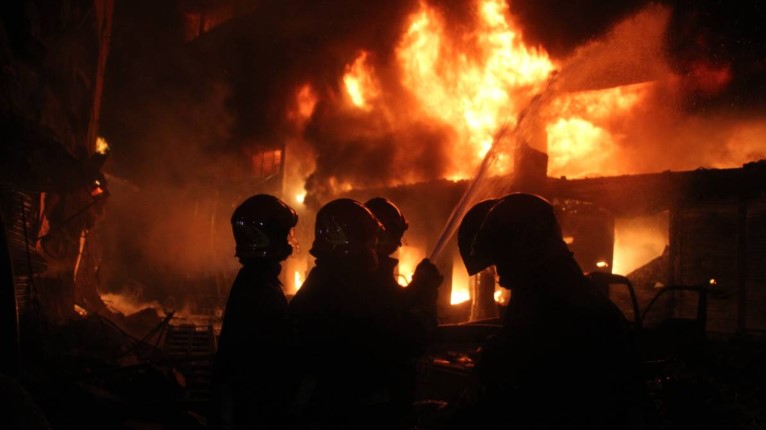
Fire Incident Case Study in Bangladesh: A Wake-Up Call for Fire Safety
Introduction — Why this matters now When fire devastates a neighborhood, a factory, or a marketplace in Bangladesh, the immediate images are heartbreaking: smoke, collapsed structures, grieving families. But beyond those images lies a pattern — repeatable, preventable failures that point to systemic gaps in safety, enforcement, and awareness. This longform case study brings together the most significant incidents (2010–2023+), updated national statistics, repeating patterns, global relevance, and pragmatic solutions that policymakers, business owners, and communities can implement today. The Case Studies (chronological & updated) Short navigation: Nimtoli (2010) → Tazreen (2012) → FR Tower (2019) → Sitakunda (2022) → Gulistan (2023) → Bangabazar (2023) 1) Nimtoli Fire — Old Dhaka (2010) • What happened: Chemical storage and electrical ignition in a densely packed residential-commercial block.• Impact: 100+ fatalities; hundreds injured; massive property loss.• Lesson: Mixing hazardous chemical storage with residential use is lethal; zoning enforcement is essential. 2) Tazreen Fashions — Savar (2012) • What happened: Factory blaze spread rapidly; main exits locked; workers trapped.• Impact: 117+ deaths; 200+ injured.• Lesson: Locked or blocked emergency exits and poor safety management kill workers — enforcement and worker empowerment are non-negotiable. 3) FR Tower — Banani, Dhaka (2019) • What happened: Fire in a high-rise commercial building; fire alarms and escape planning inadequate.• Impact: 25+ deaths; dozens injured; dramatic rescues.• Lesson: High-rise standards and evacuation planning must be audited and enforced for modern buildings. 4) Sitakunda Container Depot Fire — Chittagong (2022) • What happened: Fire and explosive incidents at a container depot with hazardous chemical storage.• Impact: 40–50+ deaths; hundreds injured; environmental/structural damage to wide area.• Lesson: Industrial-scale chemical storage needs strict segregation, monitoring, and emergency isolation systems. 5) Gulistan Building Explosion — Dhaka (2023) • What happened: Explosion suspected from gas/accumulated fuel in a mixed-use commercial building.• Impact: Dozens killed; significant structural damage.• Lesson: Gas lines, boilers and underground piping in commercial zones demand rigorous periodic inspection. 6) Bangabazar Market Fire — Dhaka (2023) • What happened: Major market conflagration during busy season; dense stalls, combustible stock.• Impact: Thousands of shops destroyed; huge economic losses (hundreds of crores BDT); protracted firefighting.• Lesson: Bazaar infrastructure and seasonal stock needs targeted risk mitigation and market-level fire resilience planning. Patterns Found in Fire Incident Case Studies in Bangladesh Across the incidents above, the same risk signals and failures recur. These are the red flags that journalists, safety auditors, and content creators should call out — and business leaders must act on. • ⚡ Electrical faults & poor maintenance• 🚪 Blocked or locked emergency exits• 🧯 Lack of functional fire-safety equipment• 🧪 Unsafe storage of flammables/chemicals• 🏚️ Overcrowding & makeshift structures• 📋 Paper compliance vs real compliance• 🔍 Weak enforcement & slow regulatory response• 📈 Seasonal & situational spikes• 🧑 Low worker voice & limited training• 🏛️ Mixed-use zoning risks Global Relevance of Fire Safety in Bangladesh Fire safety in Bangladesh has consequences far beyond its borders. Here’s why international stakeholders must care: • 🧵 Supply-chain risk for global brands (RMG sector)• 💼 Foreign investment & trade credibility• 🤝 International buyer responsibility• 🌍 Environmental & cross-border impact• 🧭 Model for developing countries• 🔗 Human rights & labour standards Bottom line: Improving fire safety in Bangladesh isn’t only a local governance issue — it is integral to global trade resilience, human rights, and climate/urban safety policy. Solutions: How Bangladesh Can Improve Fire Safety A. Regulatory & enforcement actions (system-level) • 🛑 Unannounced technical inspections• 🧾 Stronger penalties & closure powers• 🗺️ Hazard zoning enforcement• 🔗 Supply-chain accountability clauses B. Industry & business measures (operational) • 🔌 Mandatory bi-annual electrical audits• 🚪 No locked exits policy• 🧯 Functional firefighting equipment• 🏷️ Stock management guidelines C. Community & capacity building (human factor) • 👩Worker training & empowerment• 📣 Public awareness campaigns• 🤝 Trader resilience & insurance programs D. Technology & innovation (modern tools) • 📡 Early detection & IoT systems• 🛰️ GIS hazard mapping• 🧪 Chemical inventory digitalization E. International & donor collaboration (finance & standards) • 🌍 Partnerships with buyers & donors• 📚 Knowledge exchange with countries that improved urban fire safety Human Cost: Stories Behind the Numbers Numbers quantify scale; stories humanize urgency. Consider: traders who lost generations of stock in a night; families without breadwinners after a factory blaze; students who lost community libraries and schools. These human narratives are not anecdotal — they’re compelling evidence to motivate political will and community action. Embed survivor quotes and local NGO interviews for maximum impact when publishing. How to Use This Report — For Policymakers, Business Owners & Citizens • Policymakers: adopt hazard zoning, strengthen enforcement units, and allocate funds for fire service capacity.• Business Owners: prioritize electrical audits, maintain emergency exits, and train staff with documented drills.• Market Committees & Traders: create market-level emergency plans, invest in hydrants and lanes, and create pooled insurance schemes.• Citizens: report hazards, avoid risky storage practices, and support community safety programs. Conclusion — The Third Eye: Prevention Through Seeing What’s Hidden Bangladesh’s tragic pattern of fires is not fate — it is a symptom of avoidable failures. If the nation and its partners adopt the solutions above with urgency and determination, the next decade can see fewer headlines and far fewer empty chairs at dinner tables. The third eye — the observer who sees what leaders don’t — can be every journalist, inspector, content creator, factory floor manager and citizen who chooses to act. 🚨 Take Action Now — Your Safety Cannot Wait Fire safety is not a cost — it is an investment in lives, livelihoods, and long-term business resilience. Don’t wait for tragedy to strike. Whether you are a policymaker, factory owner, market committee leader, or community member, you can act today. to read more article on fire safety click here
কিভাবে নির্বাচন করবেন উপযুক্ত অগ্নিনির্বাপন ব্যবস্থা আপনার বাড়ির জন্য – অগ্নি নিরাপত্তা টিপস
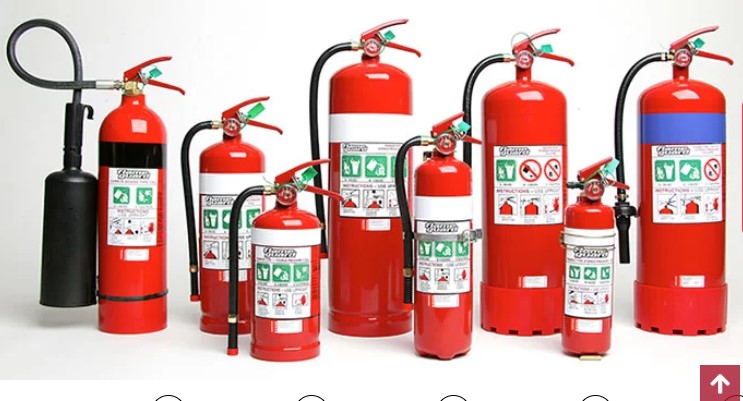
অগ্নিকাণ্ড বাংলাদেশের একটি মারাত্মক জননিরাপত্তা সমস্যা। ২০২৪ সালের পরিসংখ্যান অনুযায়ী বাংলাদেশে গড়ে প্রতিদিন প্রায় ৭৩টি অগ্নিকাণ্ড ঘটে। বাংলাদেশ ফায়ার সার্ভিস ও সিভিল ডিফেন্স (FSCD)-এর তথ্য অনুযায়ী, ২০২৪ সালে বাংলাদেশে মোট ২৬,৬৫৯টি অগ্নিকাণ্ড ঘটেছে, যার ফলে ১৪০ জন নিহত এবং ৩৪১ জন আহত হয়েছে। মূল কারণগুলো ছিল বৈদ্যুতিক ত্রুটি (৩৩.৯৮%), সিগারেটের অবশিষ্টাংশ থেকে আগুন (১৫.৫২%), এবং রান্নাঘরের যন্ত্রপাতি সম্পর্কিত দুর্ঘটনা (১১.৪৬%)। বাসস্থানই সবচেয়ে বেশি ক্ষতিগ্রস্ত হয়েছে, যেখানে ৭,১৩১টি অগ্নিকাণ্ড ঘটেছে, যা মোট অগ্নিকাণ্ডের ২৬.৭৪%। অন্য উল্লেখযোগ্য অগ্নিকাণ্ডের উৎস ছিল খড় (১৬.৯২%), রান্নাঘর (৯.০৪%) এবং বিভিন্ন শিল্প-প্রতিষ্ঠান। এই পরিসংখ্যান থেকে বোঝা যায় যে, ঘরে যথাযথ অগ্নিনির্বাপন ব্যবস্থা থাকা অত্যন্ত জরুরি। এই ভয়াবহ পরিস্থিতি থেকে রক্ষা পেতে ঘরে উপযুক্ত অগ্নিনির্বাপন ব্যবস্থা থাকা অত্যন্ত জরুরি। সঠিক যন্ত্রপাতি নির্বাচন করলে আপনার পরিবার ও সম্পদ সুরক্ষিত থাকতে পারে। কেন বাড়িতে অগ্নিনির্বাপন ব্যবস্থা প্রয়োজন অগ্নিকাণ্ড যে কোনো সময় ঘটতে পারে। দ্রুত আগুন নিয়ন্ত্রণ করা গেলে বড় ক্ষতি এড়ানো সম্ভব। সঠিক যন্ত্র থাকলে জীবন ও সম্পদ দুটোই বাঁচানো যায়। অগ্নি নিরাপত্তা এখন বাড়ির অপরিহার্য অংশ। বাড়ির জন্য কোন ধরণের অগ্নিনির্বাপন যন্ত্র উপযুক্ত বাড়ির জন্য সেরা অগ্নিনির্বাপন যন্ত্র আপনার বাড়ির নিরাপত্তা নিশ্চিত করতে সঠিক অগ্নিনির্বাপন যন্ত্র নির্বাচন করা খুব জরুরি। নিচে কিছু গুরুত্বপূর্ণ যন্ত্র এবং তাদের ব্যবহার উল্লেখ করা হলো: ১. ফায়ার এক্সটিংগুইশার ফায়ার এক্সটিংগুইশার বা অগ্নি নির্বাপক যন্ত্র হলো একটি বহনযোগ্য অগ্নি সুরক্ষা সরঞ্জাম যা ছোট আগুন নেভাতে বা নিয়ন্ত্রণ করতে ব্যবহৃত হয়।বৈদ্যুতিক, গ্যাস বা তেল আগুন নেভাতে কার্যকর।রান্নাঘর, গ্যারেজ এবং স্টোর রুমে রাখলে দ্রুত নিয়ন্ত্রণ সম্ভব। ২. স্মোক ডিটেক্টর আগুনের কারণে উৎপন্ন ধোঁয়া শনাক্ত করে এবং একটি শব্দ করে অ্যালার্ম বাজিয়ে মানুষকে সতর্ক করে। এটি সাধারণত একটি প্লাস্টিকের ডিস্কের মতো দেখতে হয় এবং এটি ধোঁয়া শনাক্তকরণের মাধ্যমে আগুন লাগার দ্রুততম সময়ের মধ্যে সতর্কবার্তা দেয়, যা মানুষকে নিরাপদে সরে যেতে বা আগুন নেভানোর ব্যবস্থা নিতে সাহায্য করেধোঁয়া শনাক্ত করলে সঙ্গে সঙ্গে অ্যালার্ম বাজায়। আগুনের প্রাথমিক সতর্কতা দেয়, সময়মতো বের হওয়া সহজ হয়। ৩. ফায়ার ব্ল্যাঙ্কেট ফায়ার ব্ল্যাঙ্কেট বা অগ্নিনির্বাপক কম্বল হলো অগ্নি-প্রতিরোধী উপকরণ দিয়ে তৈরি একটি কম্বল, যা ছোট আগুন নিভানোর জন্য ব্যবহৃত হয়। এটি মূলত অক্সিজেনের সরবরাহ বন্ধ করে আগুনকে নিভিয়ে দেয়। বাড়িতে, রান্নাঘরে বা কর্মক্ষেত্রে ছোট আকারের আগুন, যেমন রান্নার সময় তেল বা গ্রিজের আগুন, নিয়ন্ত্রণে আনতে এটি কার্যকর। তবে, তীব্র আগুন বা বৈদ্যুতিক আগুনের জন্য এটি উপযুক্ত নয় ৪. ফায়ার অ্যালার্ম সিস্টেম ফায়ার অ্যালার্ম সিস্টেম হলো একটি স্বয়ংক্রিয় নিরাপত্তা ব্যবস্থা যা আগুন, ধোঁয়া বা কার্বন মনোক্সাইড সনাক্ত করে ভবন থেকে বাসিন্দাদের সতর্ক করে এবং জরুরী পরিষেবা (যেমন ফায়ার ব্রিগেড) কল করার মাধ্যমে জীবন ও সম্পদ রক্ষা করতে সাহায্য করে। এই সিস্টেমে ডিটেক্টর, কন্ট্রোল প্যানেল, নোটিফিকেশন ডিভাইস এবং জরুরি পাওয়ার সাপ্লাইয়ের মতো উপাদান থাকে ৫. স্প্রিঙ্কলার সিস্টেম স্বয়ংক্রিয়ভাবে পানি ছিটিয়ে আগুন নেভায়।বড় বাড়ি বা অফিসের জন্য উপযুক্ত।সঠিক যন্ত্র নির্বাচন ও নিয়মিত রক্ষণাবেক্ষণ নিশ্চিত করলে আগুনের ঝুঁকি অনেক কমানো সম্ভব।একটি স্বয়ংক্রিয় অগ্নি নির্বাপণ পদ্ধতি, যেখানে পাইপের একটি নেটওয়ার্কের মাধ্যমে পানি সরবরাহ করা হয় এবং পাইপের শেষে থাকা প্রতিটি স্প্রিংকলার হেড (যেটি একটি তাপ-সংবেদনশীল পিনের মাধ্যমে বন্ধ থাকে) নির্দিষ্ট তাপমাত্রা বৃদ্ধি পেলে নিজে থেকে খুলে যায় ও আগুনের উপর পানি ছিটিয়ে আগুন নিভিয়ে দেয় বা নিয়ন্ত্রণ করে। অগ্নিকাণ্ড প্রতিরোধের টিপস বৈদ্যুতিক সংযোগ নিয়মিত পরীক্ষা করুন। রান্নাঘরে রান্না করার সময় কখনো গ্যাস চালু রেখে চলে যাবেন না। দাহ্য পদার্থ নিরাপদ স্থানে রাখুন। শিশুদের আগুন নিয়ে খেলা করতে দেবেন না। জরুরি অবস্থায় দ্রুত বের হওয়ার পথ সবসময় খোলা রাখুন। প্রতি ছয় মাস অন্তর অগ্নিনির্বাপন যন্ত্র পরীক্ষা করুন। অগ্নিকাণ্ডের ক্ষতি: বাংলাদেশে পরিস্থিতি বাংলাদেশ ফায়ার সার্ভিসের তথ্য অনুযায়ী: প্রতিদিন গড়ে প্রায় ৭৩টি অগ্নিকাণ্ড ঘটে। সাম্প্রতিক বছরগুলোতে অগ্নিকাণ্ডে প্রাণহানি ও সম্পদের ক্ষতি ব্যাপক বেড়েছে। শহর থেকে গ্রাম, দুর্গম এলাকা—সব জায়গায় অগ্নি দুর্ঘটনার ঝুঁকি রয়েছে। FAQ (প্রশ্নোত্তর) প্রশ্ন ১: বাড়ির জন্য কোন অগ্নিনির্বাপন যন্ত্র সবচেয়ে ভালো? উত্তর: বাড়ির জন্য ফায়ার এক্সটিংগুইশার, ফায়ার ব্ল্যাঙ্কেট, স্মোক ডিটেক্টর এবং ফায়ার অ্যালার্ম সিস্টেম সবচেয়ে উপযুক্ত। প্রশ্ন ২: ফায়ার সেফটি টুলের দাম কত? উত্তর: দাম পণ্যের ধরন ও ক্ষমতার উপর নির্ভর করে। সাধারণ ফায়ার এক্সটিংগুইশারের দাম প্রায় ১,৫০০ টাকা থেকে শুরু হয়। প্রশ্ন ৩: কোথায় এই যন্ত্রপাতি পাওয়া যাবে? উত্তর: Fire Safety Source Limited । তারা সারা বাংলাদেশে, এমনকি দুর্গম এলাকাতেও সরবরাহ করে থাকে। বাংলাদেশে প্রতিদিন গড়ে প্রায় ৭৩টি অগ্নিকাণ্ড ঘটে। তাই পরিবারের সুরক্ষায় বাড়িতে উপযুক্ত অগ্নিনির্বাপন ব্যবস্থা থাকা অপরিহার্য। আগেই সঠিক যন্ত্র নির্বাচন করুন, সেগুলো সঠিকভাবে স্থাপন করুন এবং নিয়মিত রক্ষণাবেক্ষণ করুন। পাশাপাশি প্রতিরোধমূলক টিপস অনুসরণ করুন। আজকের প্রস্তুতি আপনার আগামী দিনের জীবন ও সম্পদ রক্ষা করতে পারে। 📞 যোগাযোগ করুন – আপনার বাড়ি, অফিস অথবা প্রতিষ্ঠানের জন্য নির্ভরযোগ্য অগ্নিনির্বাপন যন্ত্রপাতি কিনতে যোগাযোগ করুন: 🌐 ওয়েবসাইট: https://www.safetysource.com.bd/product/ 📱 মোবাইল: +8801914-508497, +8801711-195266 📧 ইমেইল: info@safetysource.com.bd